
Poor drainage in your yard can cause more than just puddles and soggy grass—it can lead to soil erosion, plant damage, and even foundation problems if left unaddressed. Homeowners often notice minor drainage issues after heavy rainfall, but waiting too long to fix them can turn small problems into costly repairs. By taking proactive steps to identify and correct drainage issues early, you can protect your property and maintain a healthy, attractive landscape. This guide outlines effective strategies for addressing yard drainage problems before they escalate.
Identify Problem Areas Early
The first step in fixing yard drainage issues is recognizing where water tends to accumulate. Walk your yard after a rainstorm and note low spots, soggy patches, or areas with standing water. These locations are often the first signs of poor drainage and will help you determine where solutions are most needed. Mapping problem zones ensures that you target the most critical areas for repair and prevent future complications.
Assess Your Yard’s Slope and Grading
Improper grading is a common cause of drainage issues. Water should flow away from your home and landscaping features rather than pooling in low spots. Use a level or simple visual cues to check the slope of your yard, and consider regrading areas where water is not draining properly. Even slight adjustments to your yard’s slope can make a significant difference in water flow and reduce the risk of flooding near your foundation.
Install or Repair Drainage Systems
For more persistent drainage problems, installing or repairing a drainage system may be necessary. French drains, surface drains, and dry wells can redirect water away from vulnerable areas, preventing pooling and erosion. If your property already has a drainage system, inspect it for clogs, broken pipes, or misaligned components. Regular maintenance and repairs keep water flowing smoothly and extend the life of your system.
Improve Soil Composition
Soil type plays a major role in drainage performance. Clay-heavy soil retains water and slows absorption, while sandy soil drains too quickly and can leave plants dry. Amending soil with organic matter or using specialized products can improve water infiltration and create a more balanced environment. Aerating compacted soil also helps water penetrate deeper, reducing surface pooling and promoting healthier grass and plants.
Redirect Downspouts and Rainwater
Downspouts that empty directly onto your lawn can create localized flooding and worsen drainage issues. Extend downspouts to direct water toward safe runoff areas or drainage systems. You can also use splash blocks, rain chains, or underground piping to channel water away from your home and landscaping. Properly managing rainwater from your roof is a simple yet effective way to reduce yard drainage problems.
Use Grading Features and Swales
Swales, shallow ditches, and other grading features can help guide water to designated areas such as storm drains or garden beds. These natural channels slow the flow of water, prevent erosion, and allow it to soak into the soil gradually. Creating swales in strategic locations is a low-maintenance solution that enhances the effectiveness of your overall drainage plan.
Incorporate Rain Gardens or Plant Buffers
Rain gardens and strategically planted vegetation can absorb excess water and reduce runoff. Plants with deep root systems help break up compacted soil, improve drainage, and filter pollutants before they enter stormwater systems. Adding a rain garden or planting water-tolerant species in problem areas not only addresses drainage issues but also improves the aesthetic appeal of your yard.
Check and Maintain Irrigation Systems
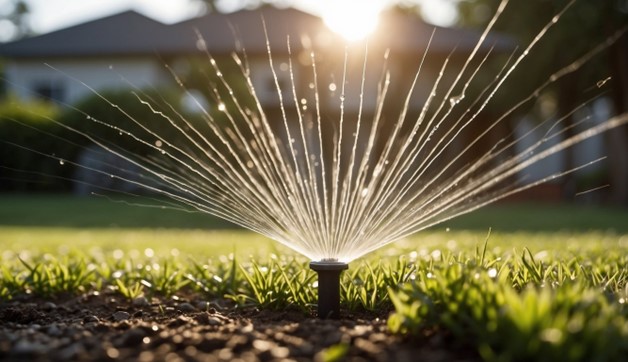
Improper irrigation can exacerbate drainage problems, particularly if sprinklers oversaturate certain areas. Inspect your irrigation system to ensure heads are positioned correctly, timers are set appropriately, and water is distributed evenly. Adjusting your irrigation schedule and repairing leaks can prevent overwatering, which often contributes to puddling and soil erosion.
Address Erosion and Surface Runoff
Areas of your yard that show signs of erosion, such as bare soil or ruts, need immediate attention. Use mulch, landscaping fabric, or retaining walls to stabilize soil and slow water flow. Adding ground cover plants or grasses with strong root systems can also help hold soil in place and reduce the impact of surface runoff during heavy rains.
Monitor and Adjust Regularly
Drainage is not a one-time fix; it requires ongoing attention. Monitor your yard after storms to ensure water is flowing as intended, and make adjustments as necessary. Seasonal changes, new landscaping projects, or shifts in soil conditions may require updates to your drainage plan. Consistent monitoring helps prevent small issues from becoming major problems.
Consider Professional Assistance
Some drainage issues may be complex or involve significant grading or underground work. Consulting with a landscape contractor or drainage specialist can provide expert recommendations and ensure the problem is addressed correctly. Professionals can design solutions that optimize water flow, protect your property, and comply with local regulations, giving you peace of mind.
Proactively addressing yard drainage issues protects your home, promotes healthy landscaping, and saves money on costly repairs. By inspecting your yard, improving grading, managing water flow, and maintaining drainage systems, you can prevent minor problems from escalating into major challenges. Taking these steps early ensures your yard stays functional, attractive, and resilient through every season.