
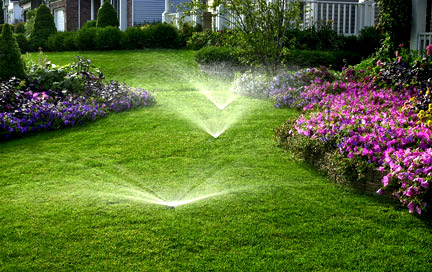
Spring in New Jersey brings the promise of warmer temperatures and growing lawns, but it also signals the time to start thinking about your sprinkler system. Turning on your irrigation system too early can lead to frozen pipes or water waste, while waiting too long may leave your lawn stressed and under-watered. Knowing the right timing and following proper startup procedures ensures your system runs efficiently and keeps your grass and landscaping healthy throughout the season.
Check Local Weather Conditions
Before activating your sprinkler system, pay attention to local weather trends. In New Jersey, late March to early April can still bring frost or freezing temperatures, which can damage sprinkler components if turned on prematurely. Wait until the threat of frost has passed and soil temperatures are consistently above 40°F. Monitoring local forecasts helps you avoid costly repairs caused by frozen pipes.
Inspect Your Sprinkler System Components
Before running your system, inspect all visible components for winter damage. Look for cracked pipes, broken sprinkler heads, or exposed wiring. Winter conditions, including snow, ice, and ground shifts, can cause parts to break or misalign. Identifying and repairing these issues before starting your system prevents leaks, uneven water coverage, and potential long-term damage.
Drain and Flush Your System
If your system was winterized, it may still contain residual water in pipes or valves. Before fully turning it on, drain any remaining water and flush the lines to remove debris or sediment that could clog sprinkler heads. This step ensures smooth water flow and helps your system operate at optimal efficiency once it’s active for the season.
Turn On the Water Supply Gradually
When it’s time to reactivate your sprinkler system, open the main water supply slowly. A sudden rush of water can cause pressure spikes, leading to damaged pipes or valves. Gradually pressurizing the system protects components and helps identify leaks or weak spots before the system is under full operating pressure.
Test Each Zone
Run each irrigation zone individually to ensure every sprinkler head is functioning correctly. Check for proper water coverage, even spray patterns, and full head rotation. This step helps you identify clogged heads, misaligned sprinklers, or pressure imbalances that may need adjustment. Properly functioning zones ensure that your lawn receives uniform water coverage, promoting healthy growth.
Adjust Sprinkler Head Placement
Over time, sprinkler heads may shift due to mowing, soil movement, or accidental contact. Inspect each head to confirm it’s properly aligned and not watering sidewalks, driveways, or your home’s exterior. Adjusting heads ensures efficient water use and prevents waste, keeping your irrigation system environmentally friendly and cost-effective.
Program Your Controller
Your irrigation controller should be updated to reflect seasonal conditions. In spring, lawns typically need moderate watering, so schedule shorter, more frequent cycles rather than long sessions. Watering early in the morning is ideal, as it reduces evaporation and allows the grass to dry before evening, minimizing the risk of disease. Adjusting your schedule as the season progresses helps maintain a healthy lawn throughout the spring and summer.
Inspect Filters and Valves
Filters and valves are essential for keeping your sprinkler system running smoothly. Sediment, leaves, or debris can clog these components, reducing water flow and efficiency. Clean or replace filters and test each valve to ensure proper operation. Well-maintained filters and valves prevent blockages and protect your system from unnecessary wear and tear.
Check for Leaks and Pressure Issues
After turning the system on, observe the water flow for leaks or irregular pressure. Look for puddles, water spraying unevenly, or low-pressure zones. Identifying these issues early allows you to make necessary adjustments or repairs before the system is in full use. This proactive step prevents water waste and ensures your lawn receives the proper amount of irrigation.
Consider a Professional Inspection
For older systems or those with complex layouts, scheduling a professional inspection can be a wise investment. Irrigation specialists can assess the system’s condition, identify hidden problems, and optimize performance. Professionals may also recommend upgrades, such as water-efficient sprinkler heads or smart controllers, that improve efficiency and lawn health over the long term.
Monitor Early Use
Once your sprinkler system is running, keep an eye on it during the first few weeks. Early-season monitoring helps you detect any minor issues before they escalate, such as uneven coverage, leaks, or clogged heads. Observing your system in action ensures it performs efficiently and allows you to make adjustments as weather conditions change.
Prepare for Seasonal Adjustments
Spring is only the beginning of the irrigation season. As temperatures rise and rainfall patterns shift, you’ll need to adjust your system’s schedule and settings. Maintaining flexibility in your watering plan ensures that your lawn receives the right amount of water throughout the growing season, promoting healthy grass and robust landscaping.
Turning on your sprinkler system at the right time is critical for protecting both your equipment and your lawn. By inspecting components, checking weather conditions, and following proper startup procedures, New Jersey homeowners can ensure their irrigation systems run efficiently all season long. A well-maintained sprinkler system not only conserves water but also keeps your lawn vibrant and thriving from spring through summer.