
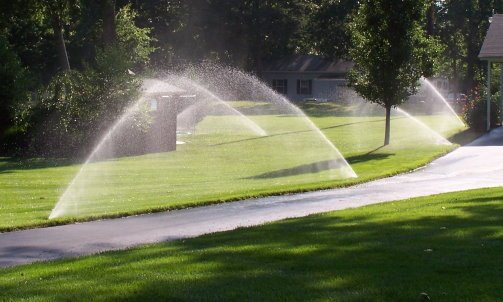
Maintaining a healthy lawn and landscape in New Jersey requires careful watering, especially during hot, dry summers. Traditional irrigation systems can be effective, but they often waste water due to overwatering or inefficient scheduling. Smart irrigation systems promise to optimize water usage while keeping lawns and gardens vibrant. But are they truly worth the investment for New Jersey homeowners? Understanding how these systems work, their benefits, and potential drawbacks can help you decide whether upgrading is the right choice.
How Smart Irrigation Systems Work
Smart irrigation systems use weather data, soil moisture sensors, and advanced programming to tailor watering schedules to the specific needs of your lawn and plants. Unlike traditional timers, which operate on fixed schedules, smart systems adjust automatically based on rainfall, temperature, humidity, and seasonal changes. This technology ensures your lawn gets just the right amount of water, reducing waste and promoting healthy growth throughout the year.
Water Savings and Cost Efficiency
One of the biggest advantages of smart irrigation systems is water conservation. By avoiding overwatering and watering during optimal times of the day, these systems can reduce water usage by 20–50% compared to traditional systems. In New Jersey, where water costs can vary by municipality, this reduction can translate into noticeable savings on your monthly utility bills. Additionally, conserving water benefits the environment and helps maintain sustainable landscaping practices.
Improved Lawn Health
Smart irrigation systems contribute to healthier lawns by preventing both under- and overwatering. Overwatering can cause shallow root systems, fungal diseases, and nutrient runoff, while underwatering stresses plants and reduces growth. By delivering precise amounts of water, smart systems encourage deep root development, stronger grass, and more resilient plants. For homeowners in New Jersey, this means a lush, vibrant yard that requires less maintenance over time.
Convenience and Automation
Modern smart irrigation systems offer unparalleled convenience. Many systems can be controlled via smartphone apps, allowing you to adjust schedules, monitor water usage, and receive alerts from anywhere. This automation eliminates the need for manual adjustments and reduces the likelihood of human error. Homeowners who travel frequently or have busy schedules will appreciate the hands-off approach while still ensuring their landscaping thrives.
Integration with Weather Data
A key feature of smart irrigation systems is their ability to integrate real-time weather data. By pulling information from local weather stations or built-in sensors, the system can delay watering when rain is expected or increase watering during hot, dry spells. This ensures that your lawn and garden are never over- or under-watered due to unpredictable weather, a particularly useful feature for New Jersey’s variable climate.
Potential Costs and Considerations
While the benefits are significant, smart irrigation systems come with upfront costs that homeowners should consider. Installation can be more expensive than traditional systems, and some models require ongoing subscription fees for weather data integration or advanced features. Additionally, older irrigation setups may need modifications to be compatible with smart controllers. Evaluating these costs against the potential water savings and convenience will help determine if the investment makes sense for your property.
Environmental Benefits
In addition to saving money, smart irrigation systems have positive environmental impacts. Efficient water usage reduces strain on municipal water supplies and limits runoff that can carry fertilizers and chemicals into local waterways. By minimizing water waste and supporting sustainable landscaping practices, smart systems align with eco-friendly initiatives and responsible lawn care in New Jersey.
Customization for Your Yard
Smart irrigation systems can be customized to meet the unique needs of your property. Systems can account for varying soil types, sun exposure, plant species, and landscape zones. This level of precision ensures each section of your yard receives the optimal amount of water, reducing stress on sensitive plants and promoting uniform growth. Customization also allows homeowners to prioritize certain areas, such as flower beds or vegetable gardens, without overwatering less critical sections.
Maintenance and Longevity
Smart irrigation systems are generally low-maintenance but require occasional checks to ensure sensors, valves, and sprinkler heads are functioning correctly. Regular system monitoring and seasonal inspections help prevent minor issues from becoming major problems. When properly maintained, these systems can last many years, providing consistent performance and long-term value for homeowners.
Making the Decision
Deciding whether a smart irrigation system is worth it depends on your specific needs, budget, and landscaping goals. For homeowners with large yards, frequent water restrictions, or a desire for precise control, the benefits often outweigh the costs. However, for smaller properties or areas with minimal water concerns, a traditional system may still meet your needs. Consider water savings, convenience, lawn health, and environmental impact when weighing your options.
Smart irrigation systems offer New Jersey homeowners an innovative way to care for their lawns while conserving water and reducing maintenance. By leveraging technology, these systems provide precise watering, adaptability to changing weather, and long-term benefits for plant health and sustainability. While the upfront investment can be higher than traditional systems, the combination of cost savings, environmental advantages, and convenience often makes smart irrigation a worthwhile upgrade for many homeowners looking to optimize their outdoor spaces.