
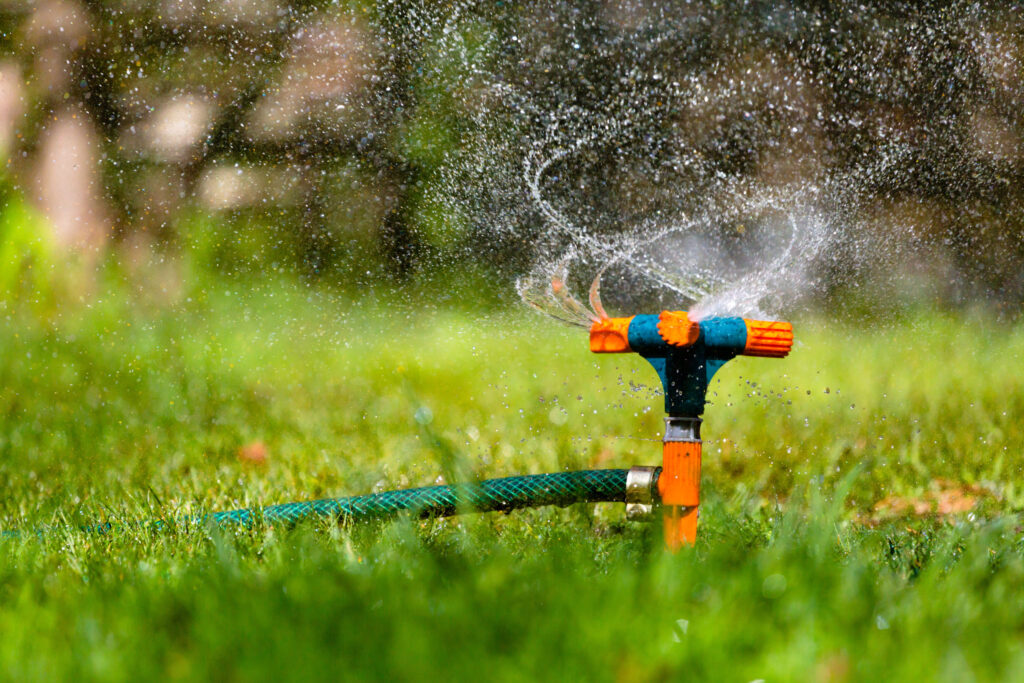
Summer in New Jersey can bring intense heat, dry spells, and unpredictable rainfall, all of which put stress on lawns and landscaping. An irrigation system that isn’t properly adjusted for the season can lead to overwatering, wasted resources, or under-watered plants that struggle to survive. Optimizing your system for the summer months ensures your lawn remains healthy, your plants thrive, and your water usage stays efficient. With a few careful adjustments and routine maintenance, you can keep your landscape vibrant all season long.
Adjust Watering Schedules
Summer heat increases evaporation, meaning your lawn and plants may need watering at different times than in spring or fall. Early morning watering, ideally between 4 a.m. and 8 a.m., reduces water loss due to heat and wind while giving plants a chance to absorb moisture before the sun becomes intense. Avoid evening watering, which can leave moisture on leaves overnight and encourage fungal diseases. Adjusting your schedule to match seasonal conditions keeps your landscape healthy and reduces water waste.
Check for Proper Coverage
Sprinkler heads can shift, become clogged, or wear down over time, leading to uneven water distribution. Walk your yard during a watering cycle and look for dry patches, oversaturated areas, or water hitting sidewalks and driveways. Properly aligned sprinkler heads ensure that every section of your lawn receives adequate moisture, preventing stressed plants and reducing the risk of runoff.
Monitor Soil Moisture Levels
Not every part of your yard requires the same amount of water. Use a soil moisture sensor or simply check the soil by hand to ensure it’s not too dry or soggy. Understanding the moisture needs of different zones allows you to adjust watering times and avoid overwatering, which can promote shallow root growth, disease, and fungal problems during hot, humid summers.
Inspect and Maintain Your System
A well-maintained irrigation system is key to efficient operation, especially during summer heat. Inspect pipes, valves, and sprinkler heads for leaks or damage, and repair any issues promptly. Check for broken or misaligned heads that can waste water or leave dry spots. Regular maintenance ensures your system operates at peak efficiency, saving both water and money while keeping your landscape healthy.
Adjust for Plant and Grass Types
Different plants and grass species have varying water requirements. Turfgrass may need frequent shallow watering, while flower beds and shrubs often benefit from deeper, less frequent irrigation. Adjust your system to accommodate the specific needs of your landscape. Grouping plants with similar water requirements into zones can help you apply the right amount of water to each area, promoting stronger growth and reducing waste.
Incorporate Smart Technology
Smart irrigation controllers and sensors can make summer watering more efficient. These devices adjust schedules based on temperature, rainfall, and soil moisture levels, helping prevent overwatering during unexpected rain or under-watering during heat waves. Smart technology simplifies summer maintenance, allowing homeowners to protect their landscapes while conserving water and energy.
Mulch and Protect Soil
While not part of the irrigation system itself, using mulch around plants and garden beds can reduce evaporation and help retain moisture. Mulch acts as a protective barrier against harsh summer heat, keeping roots cooler and soil more evenly hydrated. Combining proper irrigation with mulching maximizes water efficiency and promotes a healthier landscape.
Monitor Water Pressure
High or low water pressure can affect irrigation performance, leading to uneven coverage or damaged system components. Check your system for proper pressure, and adjust as needed to ensure sprinkler heads operate optimally. Correct pressure levels help distribute water evenly across all zones, preventing dry spots and oversaturated areas.
Consider Seasonal Adjustments
Summer weather can change rapidly, so your irrigation system should be flexible. Adjust watering frequency based on rainfall, heatwaves, and humidity levels. A system that is fine-tuned for the season ensures that your landscape receives consistent hydration without wasting water, even during extended periods of extreme heat.
Prevent Overwatering
Overwatering during the summer is a common mistake that can harm lawns and plants. Excess water can lead to shallow roots, fungal growth, and nutrient runoff. Monitor your system’s output and adjust cycles accordingly, ensuring that water penetrates deeply into the soil rather than sitting on the surface. Deep, less frequent watering encourages strong root systems that withstand summer heat more effectively.
Keep an Eye on Runoff
If water pools in low areas or runs off onto sidewalks and driveways, it indicates inefficient irrigation. Adjust your system to reduce runoff by modifying spray patterns, reducing watering duration, or using drip irrigation in garden beds. Efficient water application not only saves water but also prevents soil erosion and nutrient loss.
Professional Inspection and Tune-Up
For homeowners with larger or older irrigation systems, a professional inspection can help optimize performance. Specialists can assess system efficiency, identify hidden leaks, recalibrate sprinkler heads, and recommend upgrades for improved water conservation. A professional tune-up ensures your irrigation system is prepared for the demands of the summer months.
By taking proactive steps to optimize your irrigation system for summer heat, you can protect your lawn, garden, and investment. Proper scheduling, regular maintenance, smart technology, and seasonal adjustments all contribute to a healthier, more resilient landscape. With these strategies in place, your New Jersey yard will remain lush, vibrant, and well-watered throughout the hottest days of the year.