
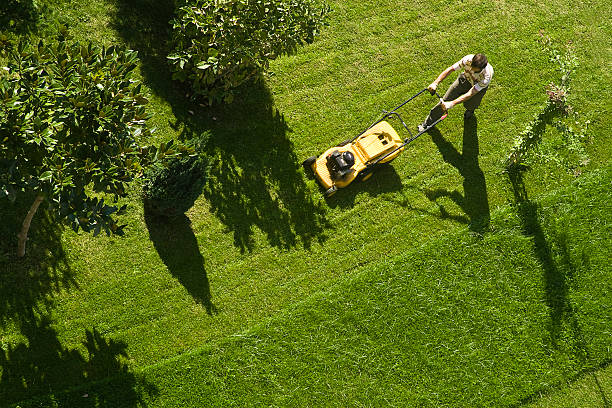
New Jersey summers can be tough on lawns, especially when heatwaves bring long stretches of high temperatures, intense sunlight, and little rainfall. During these periods, grass can quickly become stressed, turning dry, brown, and brittle in what is commonly known as lawn burn. While it may look alarming, lawn burn is often preventable with the right care and timing. Understanding how heat affects turf and adjusting your lawn maintenance routine can help keep your yard healthy and green even during extreme weather conditions.
Water Deeply and Early in the Morning
One of the most important steps in preventing lawn burn is proper watering. During heatwaves, lawns need consistent moisture, but shallow or frequent watering can do more harm than good. Instead, it’s best to water deeply and less often, encouraging grass roots to grow deeper into the soil where moisture is more stable. Early morning is the ideal time to water because temperatures are cooler and wind is usually calmer, allowing water to soak into the soil before it evaporates. Evening watering can leave grass damp overnight, which may increase the risk of fungal issues.
Raise Your Mowing Height
Cutting grass too short during a heatwave can significantly increase the risk of lawn burn. Short grass exposes soil to direct sunlight, causing it to dry out more quickly and heat up faster. Raising your mower blade allows grass to grow slightly taller, which provides shade for the soil and helps retain moisture. Taller grass also develops stronger root systems, making it more resilient during periods of stress. It’s also important to avoid cutting more than one-third of the grass height at a time, as this can shock the lawn and worsen heat stress.
Avoid Mowing During Extreme Heat
Mowing during the hottest part of the day can place additional stress on your lawn. Grass that is already heat-stressed becomes more vulnerable to damage when cut under intense sunlight. The blades can tear instead of cut cleanly, leading to further dehydration and browning. If possible, mow in the early morning or late evening when temperatures are cooler. It’s also best to keep mower blades sharp so they make clean cuts that reduce stress on the grass and promote faster recovery.
Limit Fertilizer Use in Peak Summer Heat
While fertilizer is important for lawn health, applying it during a heatwave can sometimes do more harm than good. Fertilizers encourage new growth, which requires additional water and energy—resources that are already limited during extreme heat. Over-fertilizing during this time can actually increase the risk of burning the grass. Instead, it’s better to focus on feeding your lawn during cooler seasons like spring or early fall. If fertilizing is necessary in summer, use a light application or a slow-release formula to reduce stress on the turf.
Improve Soil Health for Better Moisture Retention
Healthy soil plays a major role in preventing lawn burn. Soil that is compacted or lacking organic matter struggles to absorb and retain water effectively, leaving grass more vulnerable during heatwaves. Aerating your lawn can help loosen compacted soil and improve water penetration. Adding organic matter, such as compost, can also enhance soil structure and increase its ability to hold moisture. Over time, improved soil health leads to deeper root growth and a more drought-resistant lawn.
Use Mulching Techniques to Retain Moisture
Mulching is an effective way to help your lawn and surrounding landscape retain moisture during extreme heat. When mowing, leaving grass clippings on the lawn allows them to act as a natural mulch layer. These clippings break down quickly and return nutrients to the soil while also helping to reduce evaporation. In garden beds or around trees, organic mulch such as wood chips or bark can provide additional insulation, keeping soil temperatures cooler and conserving water during heatwaves.
Adjust Watering Based on Lawn Needs
Not all lawns require the same amount of water, and overwatering can be just as harmful as underwatering. During a heatwave, it’s important to monitor your lawn’s condition rather than sticking to a rigid watering schedule. Signs of water stress include footprints that remain visible on the grass or a bluish-gray tint to the blades. If these signs appear, it may be time to water more deeply. However, if the soil is still moist below the surface, additional watering may not be necessary. Paying attention to your lawn’s actual needs helps prevent waste and promotes healthier growth.
Reduce Foot Traffic on Stressed Areas
During periods of extreme heat, grass becomes more fragile and less able to recover from physical stress. Heavy foot traffic can damage weakened turf, leading to bare patches and long-term thinning. To prevent lawn burn from worsening, try to limit walking or playing on stressed areas of your yard. If possible, create alternative pathways or designate certain sections for activity while allowing the rest of the lawn to recover. Reducing stress during heatwaves helps preserve the overall health of your turf.
Encouraging Long-Term Lawn Resilience
Preventing lawn burn in New Jersey heatwaves requires a combination of proper watering, smart mowing practices, and soil care. While extreme heat can be challenging, lawns that are well-maintained throughout the year are far more resilient when temperatures rise. Deep root systems, healthy soil, and balanced maintenance routines all contribute to a stronger lawn that can withstand stress more effectively. By adjusting your lawn care habits during heatwaves, you can protect your yard from damage and keep it looking healthier throughout the summer season.