
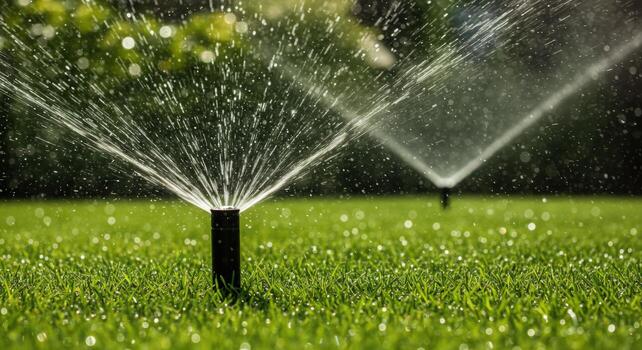
A sprinkler system is designed to keep your lawn healthy and green with minimal effort, but it can also become one of the biggest sources of water waste in a home if it isn’t properly maintained or adjusted. Many homeowners assume their irrigation system is working efficiently simply because the lawn looks watered, but hidden inefficiencies can lead to overwatering, runoff, and higher utility bills. Understanding the common causes of water waste in sprinkler systems can help you make smarter adjustments that protect both your landscape and your budget.
Overwatering Due to Incorrect Scheduling
One of the most common reasons sprinkler systems waste water is improper scheduling. Many systems are set to run on a fixed timer without considering seasonal changes, rainfall, or soil moisture levels. As a result, lawns may receive more water than they actually need. Overwatering not only wastes water but can also harm grass by promoting shallow root growth and increasing the risk of disease. Adjusting your watering schedule based on weather conditions and seasonal needs is essential for maintaining both efficiency and lawn health.
Inefficient Water Distribution Patterns
Sprinkler heads are designed to distribute water evenly, but over time, their performance can become uneven due to wear, clogging, or poor placement. This can result in certain areas of the lawn receiving too much water while others remain dry. Oversaturated zones lead to runoff and evaporation, while dry spots often encourage homeowners to increase watering time unnecessarily. Regularly inspecting sprinkler coverage and adjusting head positions ensures that water is distributed more evenly, reducing waste and improving overall irrigation efficiency.
Leaks and Damaged Components
Even small leaks in a sprinkler system can lead to significant water waste over time. Cracked pipes, broken sprinkler heads, or loose fittings may go unnoticed while still releasing water into unintended areas such as driveways or sidewalks. These leaks not only waste water but also reduce system pressure, making irrigation less effective overall. Routine maintenance and inspections are important for identifying and repairing damaged components before they lead to larger inefficiencies or costly repairs.
Watering During the Wrong Time of Day
The timing of your sprinkler system plays a major role in how efficiently water is used. Watering during the middle of the day, when temperatures are high and sunlight is strongest, leads to rapid evaporation before water can fully soak into the soil. Similarly, watering late at night can increase the risk of fungal growth due to prolonged moisture on grass blades. Early morning is generally the best time to run sprinkler systems because cooler temperatures and lower wind levels allow water to penetrate the soil more effectively, reducing waste.
Poor System Design or Layout
An improperly designed sprinkler system can lead to long-term water inefficiency. Systems that use too few sprinkler heads or have poorly spaced zones may require longer run times to achieve full coverage, resulting in unnecessary water usage. In some cases, overlapping spray patterns can cause certain areas to be overwatered while others are under-watered. A well-designed system should match the shape, slope, and plant needs of your landscape. If your system was installed without careful planning, redesigning zones or upgrading components may significantly reduce water waste.
Ignoring Soil Conditions and Lawn Needs
Different types of soil absorb and retain water at different rates, but many sprinkler systems are programmed without considering these variations. Sandy soil drains quickly and may require shorter, more frequent watering cycles, while clay soil retains moisture longer and can easily become oversaturated. Ignoring these differences often leads to inefficient watering practices. Similarly, lawns with varying sun exposure may require different amounts of water. Adjusting sprinkler zones based on soil type and plant needs helps ensure water is used more effectively.
Lack of Regular Maintenance and Adjustments
Sprinkler systems require regular maintenance to operate efficiently, but many homeowners neglect routine checks once the system is installed. Over time, sprinkler heads can become misaligned, clogged, or damaged, leading to uneven watering and waste. Seasonal adjustments are also important, as watering needs change throughout the year. A system that runs efficiently in summer may be too aggressive in spring or fall. Performing regular inspections and making small adjustments helps ensure your system continues to operate at peak efficiency.
Runoff and Water Loss from Over-Saturation
When too much water is applied too quickly, the soil cannot absorb it efficiently, leading to runoff. This not only wastes water but can also carry nutrients and soil away from your lawn, reducing its overall health. Runoff is especially common on sloped areas or compacted soil. Using shorter watering cycles with breaks in between—known as cycle and soak programming—allows water to absorb more effectively. This simple adjustment can significantly reduce waste while improving soil hydration.
Making Smarter Irrigation Choices for the Future
While sprinkler systems are convenient, they require thoughtful management to avoid unnecessary water waste. Issues like improper scheduling, poor system design, and lack of maintenance can all contribute to inefficiency. By paying closer attention to how and when your system operates, you can dramatically reduce water usage while maintaining a healthy lawn. Small changes, such as adjusting timers, repairing leaks, and improving coverage, can make a big difference over time. A well-maintained sprinkler system not only conserves water but also supports a healthier, more sustainable landscape.